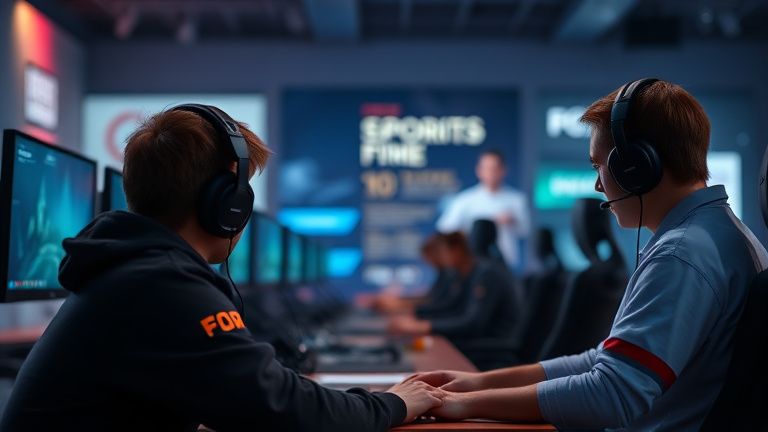

The esports industry has evolved into a multi-billion-dollar phenomenon, attracting the attention of major technology firms worldwide. Top professional gamers are now commanding unprecedented sponsorship deals with giants like Intel, NVIDIA, and Red Bull, converting gaming competition from a niche hobby into a legitimate career path. This article explores how top esports professionals are obtaining high-value deals, the monetary consequences for the industry, and what these deals show regarding gaming’s mainstream acceptance and future growth potential.
The Rise of Competitive Gaming Sponsorships
The esports industry has undergone a dramatic transformation over recent years, evolving from underground gaming communities into a major entertainment force. As viewership numbers surge and prize pools expand exponentially, major technology companies have identified the immense commercial potential within competitive gaming. This shift has transformed the landscape for professional esports athletes, who now enjoy unprecedented opportunities to generate income from their abilities and establish long-term professions through partnerships with international companies.
The influx of corporate investment into esports sponsorships demonstrates wider industry patterns and consumer behavior shifts. Technology companies, in particular, view esports athletes as ideal brand ambassadors able to reach younger digital-first consumers with genuine connection. These sponsorship deals extend beyond simple logo placements, including extensive collaborations that include equipment endorsements, streaming collaborations, and exclusive content creation. The monetary benefits have become significant, with top-tier athletes securing multi-million-dollar contracts that rival traditional sports endorsements.
Top Tech Giants Move Into the Gaming Competition Sector
The growing presence of leading tech firms into esports constitutes a pivotal turning point for esports’ standing and profitability. Key players recognize esports’ dramatic rise and worldwide fan base, prompting deliberate capital allocation in sponsorships and partnerships. These business investments go further than basic marketing alignment; they reflect genuine confidence in esports’ sustained growth and financial returns. Leading organizations including Intel, NVIDIA, and Corsair have established dedicated esports divisions, evidencing genuine dedication to backing competitors and competitive events. This corporate support has dramatically reshaped esports from grassroots phenomenon into professionally structured competitive ecosystem with corporate infrastructure.
Gaming Equipment and Equipment Partnerships
Hardware manufacturers have emerged as primary backers of esports athletes, providing high-performance gaming gear and substantial financial support. NVIDIA and Intel battle aggressively for sponsorship deals with professional teams and individual players, delivering advanced graphics cards and CPUs critical to competitive gaming. Peripheral makers like Corsair, SteelSeries, and Razer back athletes with personalized keyboards, mice, and headsets. These sponsorships benefit athletes through no-cost equipment and promotional compensation while offering companies significant brand visibility to millions of esports viewers worldwide.
Equipment sponsorships frequently extend beyond simple product provision to encompass collaborative design initiatives. Athletes partner with manufacturers to create custom-built gear fine-tuned for specific games and performance demands. These partnerships produce genuine endorsements, as professional players genuinely rely on premium hardware for optimal performance. The exposure achieved through esports sponsorships drives consumer demand and sales, making equipment partnerships exceptionally valuable for technology companies aiming to connect with younger, tech-savvy demographics.
Software and Media Streaming Service Investments
Video streaming services and technology companies have invested substantially in gaming sponsorships and infrastructure expansion. Companies like Discord, Twitch, and YouTube Gaming recognize esports’ central role in their platforms’ growth and audience engagement. These platforms support large-scale competitions, individual streamers, and esports organizations while offering complimentary or reduced-cost services to gaming communities. Technology investments enhance the esports experience through better streaming performance, messaging platforms, and distribution infrastructure that support entire esports ecosystems.
Technology companies also invest in esports through tournament infrastructure and streaming technology partnerships. Companies develop specialized software for real-time broadcast, performance analytics, and audience engagement during competitive events. These investments deliver seamless viewing experiences that attract casual and dedicated fans alike. By controlling key technical systems, software companies build long-term relationships with esports organizations while gaining valuable data insights gaming trends and audience preferences that guide future product development strategies.
Effects on Pro Esports Competitors
The influx of substantial sponsorship deals has dramatically reshaped the revenue structure for professional esports athletes. Leading players can now earn substantial income through sponsorship agreements, boosting tournament winnings and income from streaming. This varied income channels offers improved financial security, allowing players to focus entirely on their craft without pursuing alternative employment. The financial stability enables athletes to allocate resources to training infrastructure, professional coaches, and psychological support, ultimately boosting competitive standards across the entire esports ecosystem.
Beyond economic gains, significant partnerships boost the professional status and legitimacy of esports athletes on the global stage. Association with leading tech companies improves player credibility and marketability, unlocking additional avenues in content creation, press coverage, and brand partnerships. These partnerships establish esports as a genuine professional sport, bringing younger competitors to professional gaming and motivating aspiring competitors worldwide. As a result, sponsorship deals have been essential to building lasting professional careers, establishing esports athletes as genuine professionals comparable to traditional sports figures.
